
Table of Contents
ToggleLuxury Wooden Home Decor Trends 2026: 10 Modern Ideas for Stylish Homes
Something shifted in the design world over the last few seasons. The clinical, high-gloss minimalism that once defined “modern luxury”—spaces dominated by cold white marble, uniform synthetic polymers, and sharp, sterile edges—has lost its emotional grip. People are tired of living in spaces that feel like art galleries or pristine corporate lobbies. In 2026, the global design elite is leaning heavily into spaces that feel deeply grounded, authentic, and layered with narrative.
True luxury is no longer about flawless, unblemished surfaces that scream “don’t touch me.” Instead, it is being defined by tactile warmth, structural permanence, and sustainable craftsmanship.
Luxury Wooden Home Decor Trends 2026 are redefining modern interiors through natural materials, handcrafted furniture, and timeless design. At the heart of this movement is a renaissance in luxury wooden home decor. As a living, breathing material, solid timber possesses an unmatched capability to soften architectural hard lines. Its unique grain patterns, organic irregularities, and deep, shifting tones tell a story of time and origin. For those looking to refresh an expansive estate or simply curate an intimate corner that quietly speaks of wealth and refinement, these ten trends are setting the tone for the year ahead.
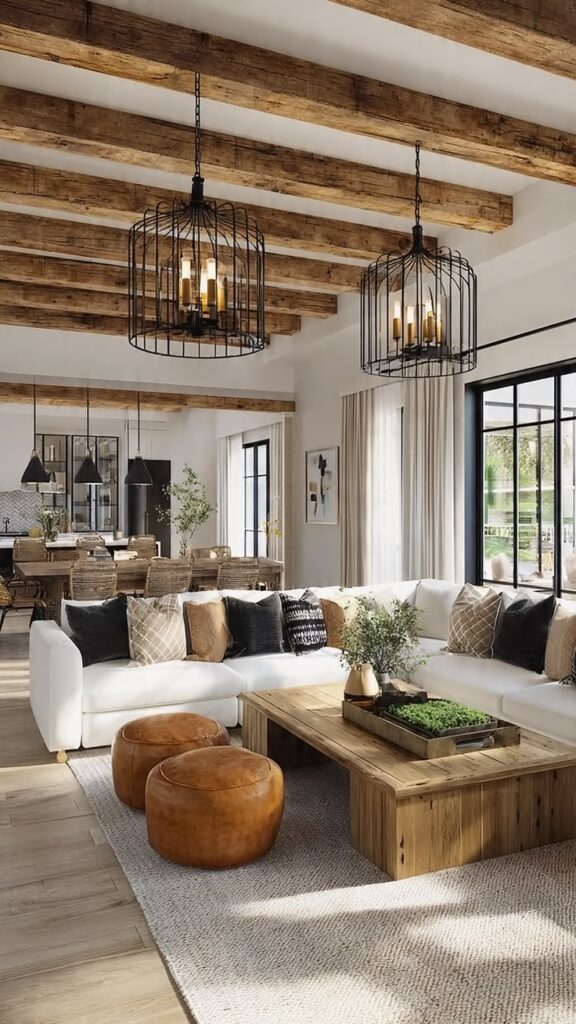
1. The Artful Tension of Mixed Wood Tones
For a long time, conventional design rules dictated that once you chose a wood species for a room, you were locked in. If you had white oak floors, your cabinets, coffee tables, and chairs were expected to match perfectly. 2026 has completely thrown that catalog-style uniformity out the window.
Today’s most compelling spaces thrive on contrast. Designers are intentionally pairing seemingly mismatched timbers to create a sense of history—as if the room was curated over decades rather than bought in a single afternoon.
The secret to pulling this off lies entirely in the underlying temperature of the wood. You can comfortably pair a pale, honey-toned white oak floor with deep, brooding walnut cabinetry, provided they both share a warm, golden undertone. This intentional layering prevents a room from looking chaotic, transforming it into a masterclass in visual depth.
If you’re planning to refresh your interiors, explore our home Decor Ideas for more inspiration on combining natural wood with cozy design elements
2. Low-Slung, Sculptural "Slow Furniture
Furniture silhouettes are dropping closer to the earth. There is a distinct movement toward low-slung, horizontal proportions that emphasize openness and tranquility. When furniture sits lower, it opens up the vertical volume of a room, making ceilings feel infinitely taller and spaces feel remarkably serene.
In the realm of solid wood, this translates to heavy, substantial coffee tables, low platform beds, and floating credenzas that trade sharp, rigid edges for softly sculpted contours. These pieces aren’t just functional items; they are functional sculptures. The fluid lines and radiused corners invite the eye to move smoothly across the room, embodying a relaxed, unhurried approach to upscale living.
Browse our Furniture collection to discover handcrafted wooden pieces that complement modern interiors.
3. Texture Maximalism Over Artificial Coatings
High-gloss polyurethane coatings and ultra-smooth, plasticky veneers have lost their appeal. The current luxury market demands to feel the physical reality of the raw material. Homeowners want to trace their fingers over the grain, sensing the natural knots, ridges, and mineral lines of the timber.
Because of this, we are seeing an explosion of texture-heavy woodwork. Fluted wall paneling, hand-carved relief art, sandblasted surfaces, and deeply brushed finishes are taking over accent walls and cabinetry fronts. It is a sensory, tactile experience meant to counter the smooth, cold glass screens we stare at all day. By stripping away the synthetic gloss, the true, unvarnished character of the wood becomes the ultimate ornament.
If you’re interested in environmentally responsible wood products, read more about responsible wood sourcing from the World Wildlife Fund.
Pair textured wood finishes with our Wall Papers collection to create striking feature walls that enhance natural materials.
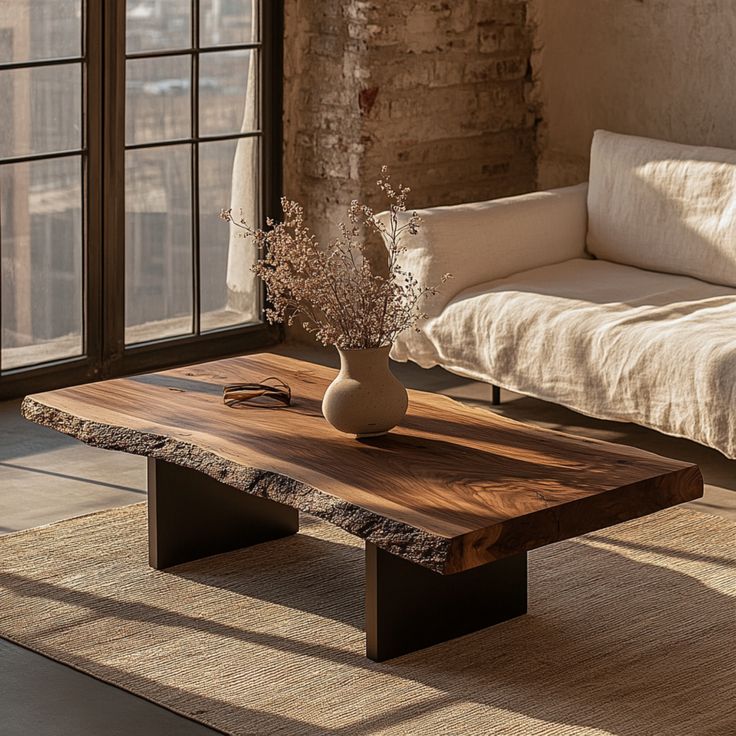
4. Biophilic Architecture as a Permanent Structure
Biophilic design used to mean scattering a few potted fiddle-leaf figs around a room and calling it a day. In 2026, nature is being built directly into the floor plans. High-end residential properties are utilizing solid timber to blur the boundary between indoor sanctuaries and the outdoor landscape.
We are seeing floor-to-ceiling wooden privacy slats that filter sunlight like a forest canopy, structural reclaimed timber ceiling beams that add immediate historical gravity, and integrated indoor planters carved directly out of water-resistant solid teak. Instead of treating nature as an afterthought, these elements ensure that the raw energy of the earth is woven directly into the home’s architectural DNA.
Learn more about the principles of biophilic design from the International WELL Building Institute.
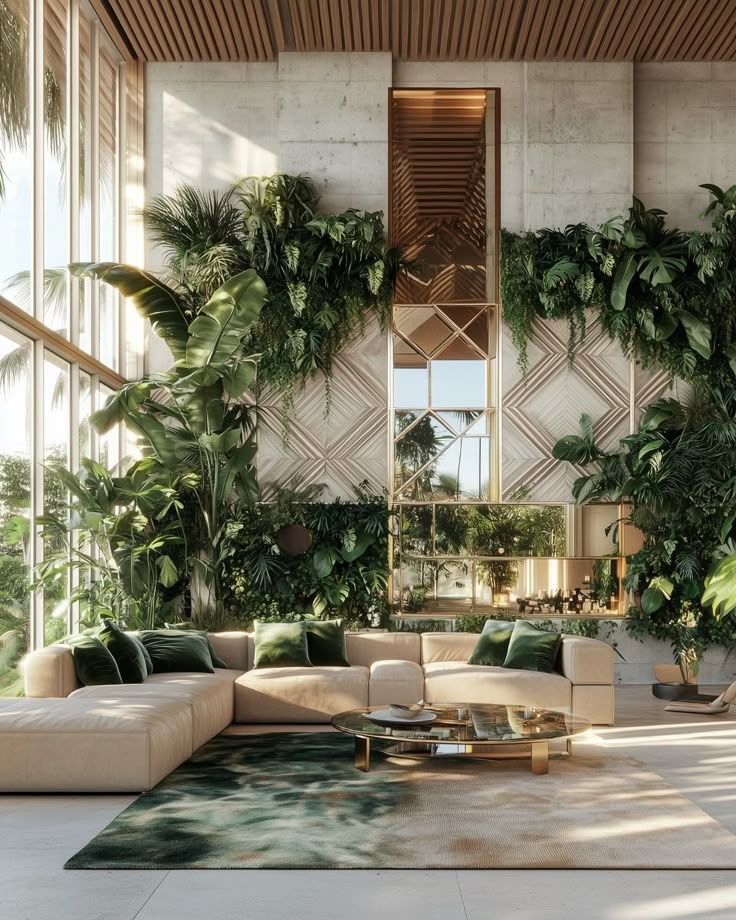
5. Visible, Celebrated Handcrafted Joinery
There is a growing weariness toward mass manufacturing, even within high-end circles. True luxury has shifted toward pieces that bear the distinct mark of human hands. Visible, traditional joinery—think butterfly joints anchoring a live-edge slab or exposed dovetails on a dresser drawer—is no longer hidden away. It is being brought directly to the surface.
To keep handcrafted wooden furniture looking its best for years, explore our DIY & Care guides.
These details act as a stamp of authenticity. When a piece features a beautifully executed butterfly joint, it tells you that an artisan spent hours calculating the tension and grain behavior of that specific piece of wood. It turns an ordinary item into an heirloom asset and a conversation starter, celebrating the slow, deliberate process of master woodcraft.
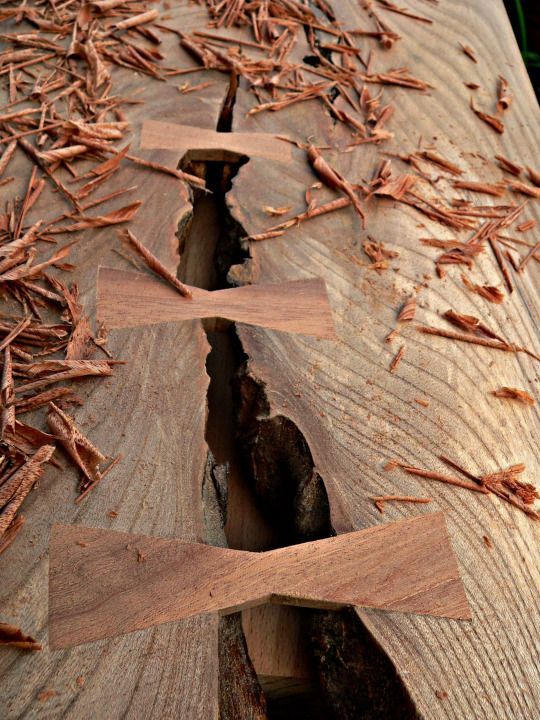
6. The Comfort of "Latte Decorating" and Warm Mid-Tones
The design pendulum has swung away from the icy, desaturated grays and bleached whites that dominated the early 2020s. The current color palette is warm, enveloping, and undeniably cozy—a aesthetic often referred to as “latte decorating.”
This shift has brought mid-tone woods back to the forefront. Rich cherry, warm amber mango wood, and medium-toned honey oak are being used to make sprawling, open-concept rooms feel intimate and secure. These tones absorb and reflect light in a way that feels incredibly soft, mimicking the comforting hues of a perfectly poured espresso drink.
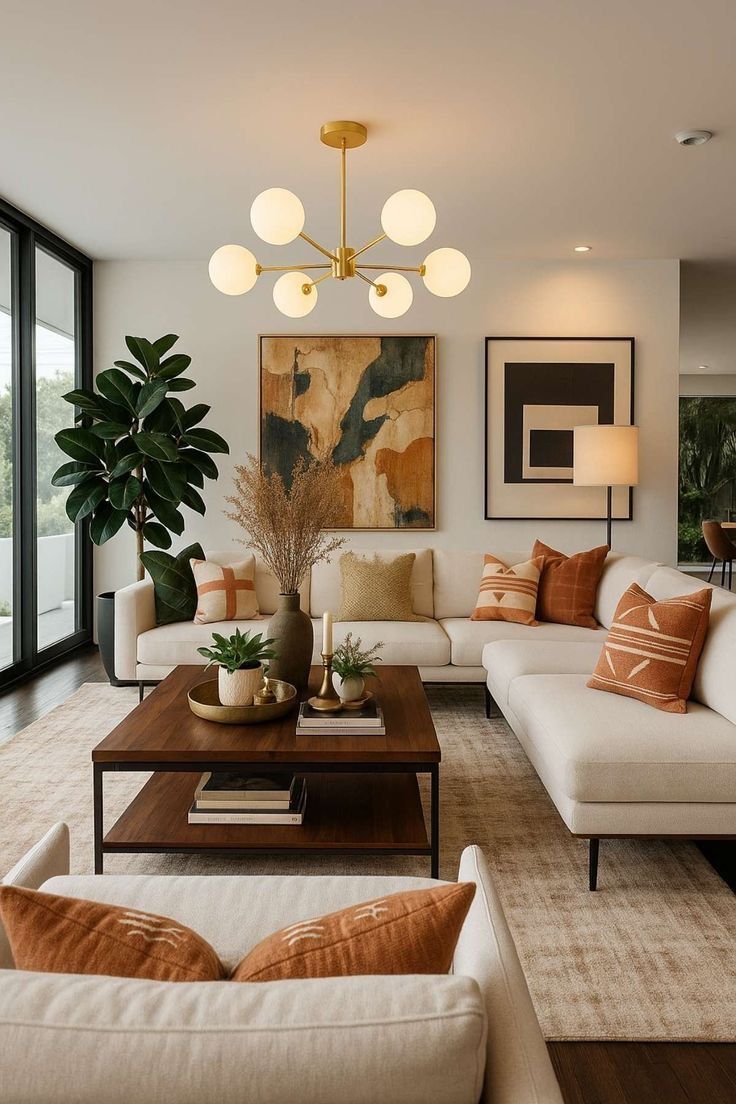
7. Japandi Functionality Infused with Heritage Craft
The cross-pollination of global design styles has given rise to a stunning hybrid aesthetic. We are seeing the clean, hyper-functional, and quiet minimalism of Scandinavian and Japanese design (Japandi) merge with the intricate, deeply storied heritage of traditional Indian craftsmanship.
Imagine a dining room anchored by an incredibly sleek, minimalist table made from indestructible Indian Sheesham or premium plantation teak. The lines are purely modern and understated, but the wood itself possesses a dramatic, swirling grain pattern that feels ancient and regal. Paired with low, hand-woven cane chairs, this look balances strict discipline with soulful warmth.
Artisan Perspective: “Sustainability and longevity are the ultimate status symbols. When you invest in a piece of authentic solid wood decor, you aren’t just buying furniture for the current season; you are acquiring a piece of earth that matures, deepens in color, and gathers character as the decades pass.”
8. The Juxtaposition of Wood and Metal Layering
To ensure that all this organic warmth doesn’t accidentally cross over into a rustic, country-cabin aesthetic, modern luxury relies on smart material juxtaposition. Striking a balance between the organic and the industrial is key to keeping the look firmly grounded in metropolitan elegance.
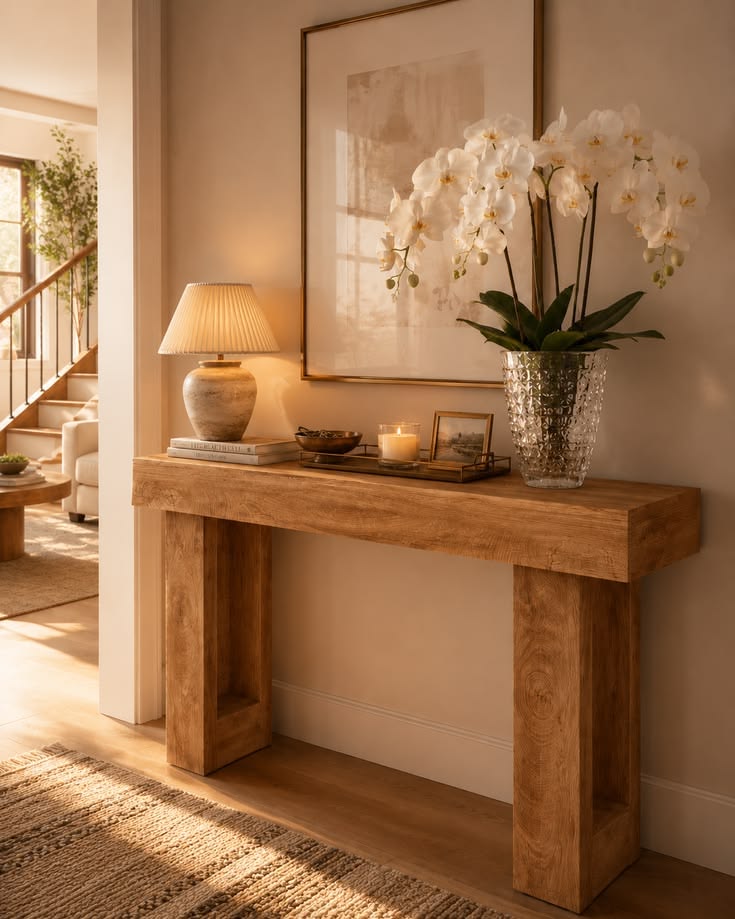
A primary example is the evolution of the statement dining table or entry console. A heavy, live-edge slab of rich timber is often paired with an incredibly crisp, architectural base made of brushed brass, blackened iron, or cast bronze. The cold, precise lines of the metal slice through the wild, unpredictable shape of the wood, creating a beautiful structural tension that anchors the entire room.
9. Earthy, Monochromatic Sanctuary Bedrooms
The primary bedroom suite has completely transformed. It is no longer just a place to sleep; it is treated as a private wellness zone meant to lower cortisol levels the moment you cross the threshold. To achieve this, designers are leaning into monochromatic color schemes built around natural wood grains.
Instead of introducing loud accent colors, rooms are keeping things tonally cohesive. Substantial solid wood bed frames are being paired with accent walls painted in soft, chalky terracottas, muted ochres, or deep, restorative sage greens. The wood grain acts as the primary pattern in the room, absorbing ambient light and creating a protective, womb-like atmosphere that encourages deep rest
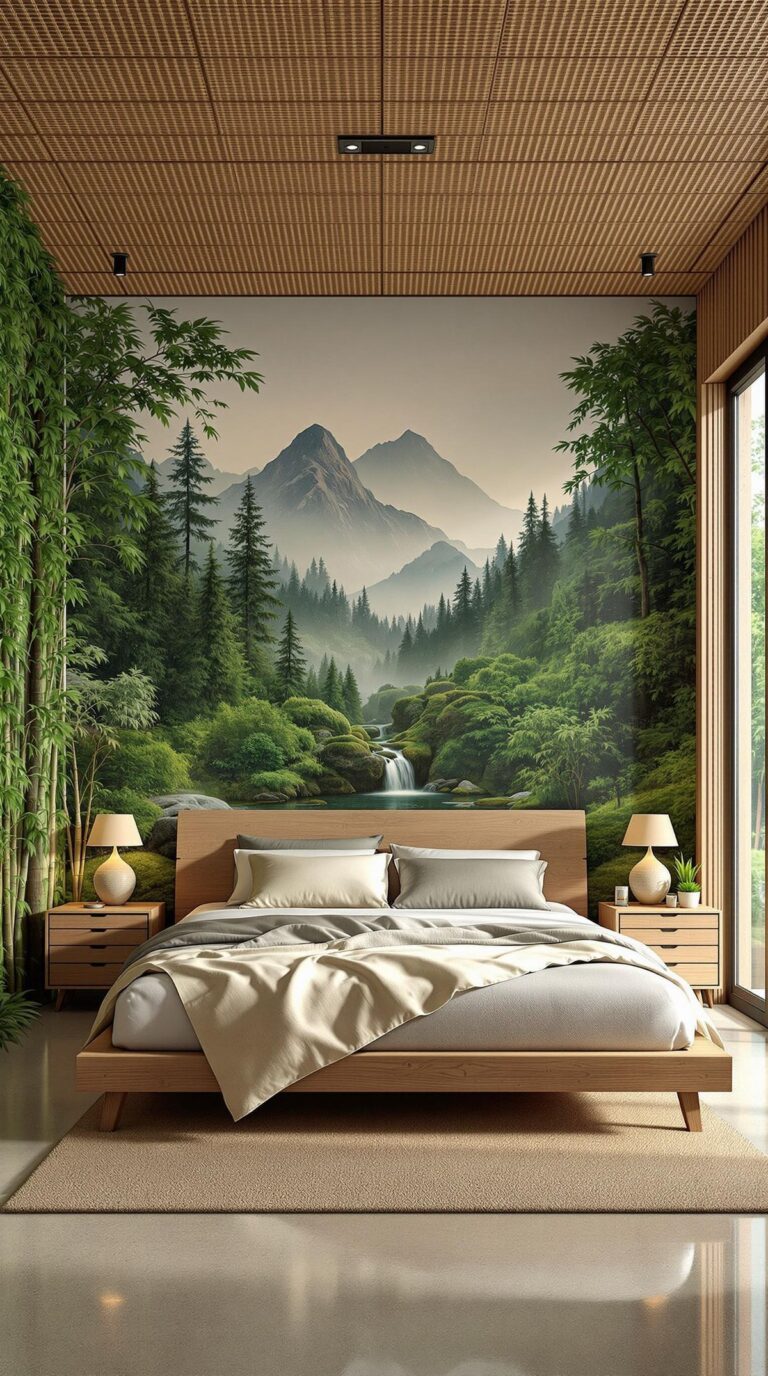
10. Invisible Technology Encased in Natural Grain
As homes become smarter, our tolerance for visible technology has plummeted. Nobody wants to see tangled cords, plastic charging blocks, or glowing blue LED standby lights interrupting a beautifully designed space. In 2026, technology is meant to be felt, not seen.
The high-end woodwork sector has stepped up to solve this problem beautifully. We are seeing minimalist solid wood nightstands with wireless charging coils seamlessly embedded beneath the top layer of the timber grain—allowing you to drop your phone directly onto the wood to charge. Floating entertainment units feature hidden, push-to-open slatted doors that allow remote control IR signals to pass through perfectly while completely concealing unsightly media boxes. It is the ultimate expression of functional luxury: high-tech utility wrapped in low-tech organic beauty.
How to Implement Luxury Wooden Home Decor Trends 2026
Bringing this elevated, texture-driven look into your own home doesn’t require clearing out your entire house or hiring a demolition crew. It is entirely about making deliberate, high-impact edits.
Focus on Anchor Pieces: If your current dining room feels a bit sterile, replace the table with a singular, high-character solid wood statement piece. Let that single object dictate the energy of the space.
Layer Your Lighting Accents: Raw wood finishes look their best when hit by directional, warm light. Avoid relying solely on harsh, overhead recessed can lights. Instead, use low-level linear LED strips to cast a warm glow across fluted wood panels or hand-carved sculptures.
Introduce Strategic Contrast: If your home features light white oak flooring, avoid buying matching light oak furniture. Introduce a dark walnut accent bowl, a floor-length mirror framed in deep espresso timber, or a heavy dark wood pedestal to break up the visual field.
Frequently Asked Questions
Which wood species are leading the luxury home sector right now?
While trends evolve, walnut, premium plantation teak, white oak, and Indian Sheesham remain the gold standards. Designers are selecting these specific woods because of their structural integrity, rich natural oil content, and distinctive grain paths that respond beautifully to simple matte finishes.
For additional information about wood species and sustainable forestry, you can explore the Forest Stewardship Council (FSC) resources.
Can You Mix Different Wood Tones?
Yes. Designers often mix two or three complementary wood tones in the same room. Keep warm woods together or cool woods together to create balance.
Why are high-gloss wooden finishes declining in popularity?
The trick is to pay attention to the wood’s natural undertone temperature. Keep your temperatures consistent. If you are mixing a light wood and a dark wood, make sure they both lean warm (with hints of gold, honey, or amber) or both lean cool (with gray or ash undertones). Additionally, keep your dominant wood tone as the foundation (accounting for roughly 60-70% of the room) and use the contrasting wood as an accent.
Elevate Your Space
True luxury isn’t about chasing the fleeting aesthetic fads of the moment; it is about investing in material honesty, structural permanence, and pieces that carry an emotional weight. Your home should be a sanctuary that grounds you—a space that feels deeply connected to the natural world.
If you are ready to move away from mass-produced trends and bring the soul-stirring warmth of genuine craftsmanship into your interiors, it’s time to choose pieces built for a lifetime.
[Explore Our Exclusive Collection of Handcrafted Solid Wood Decor Pieces]
Continue Exploring
Continue your home decor journey with these helpful guides:
Each item should link to the corresponding category on your website.